

Last term, we ran our Fishy Waters project with Year 4 pupils from Primrose Hill and were delighted with the incredible work they produced. Their creations are now proudly on display at the school, where they can be enjoyed by the whole community.
“I produced and created something special.”
All of our projects are contextualised within a real-world situation, and Fishy Waters gets children thinking about the types of animals that live in our rivers and how our ecosystems are threatened by pollution and other human-made problems.
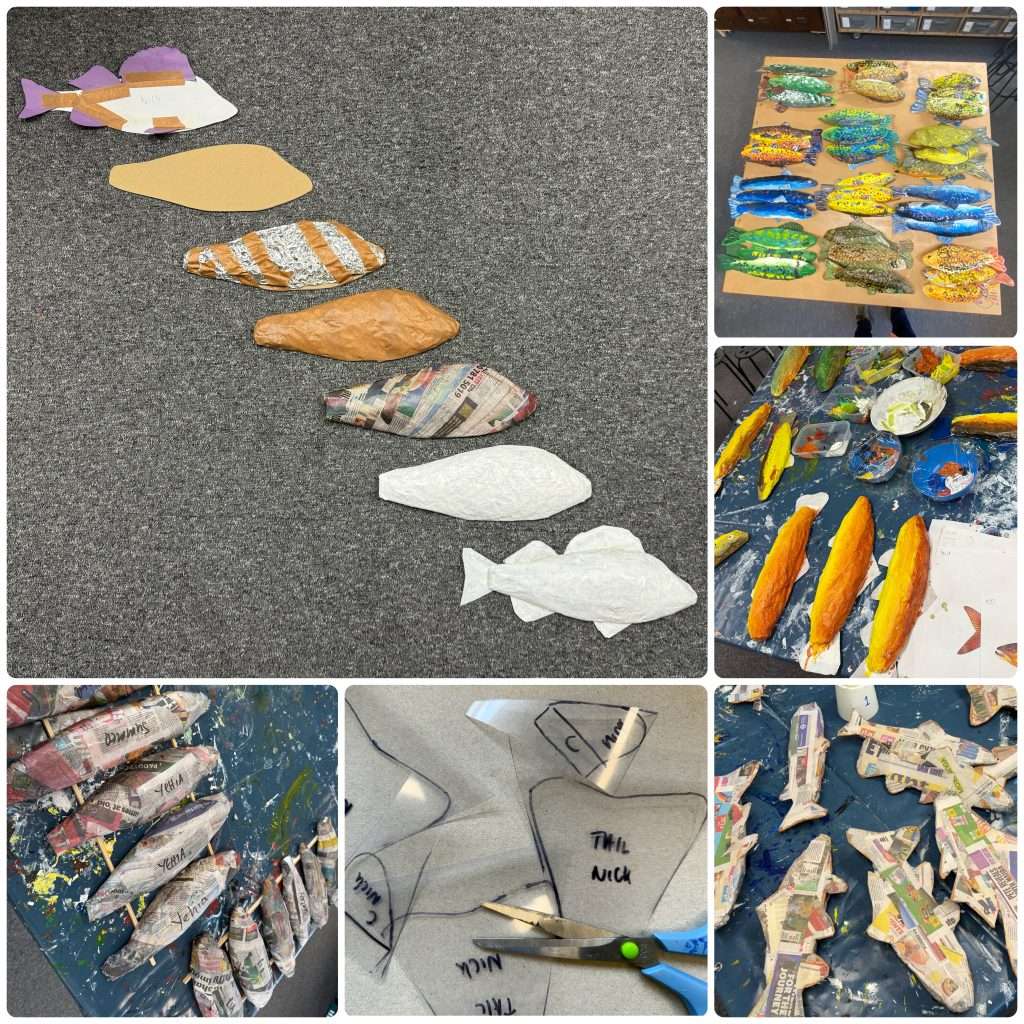
Each child was tasked with producing 2–3 fish to contribute to the display. We teach them basic construction and decoration techniques inspired by those used by prop makers in film, theatre, and exhibition design—what we refer to as the event and production industry. The process, shown below, is adapted to be accessible for all children in Key Stage 2 (ages 8–11).
We use lapbooks—foldable books that tell the story of learning. At the start of each project, we create a Partnership Agreement, which is documented and added to each pupil’s lapbook so they can refer back to it during evaluation and reflection on their personal development.
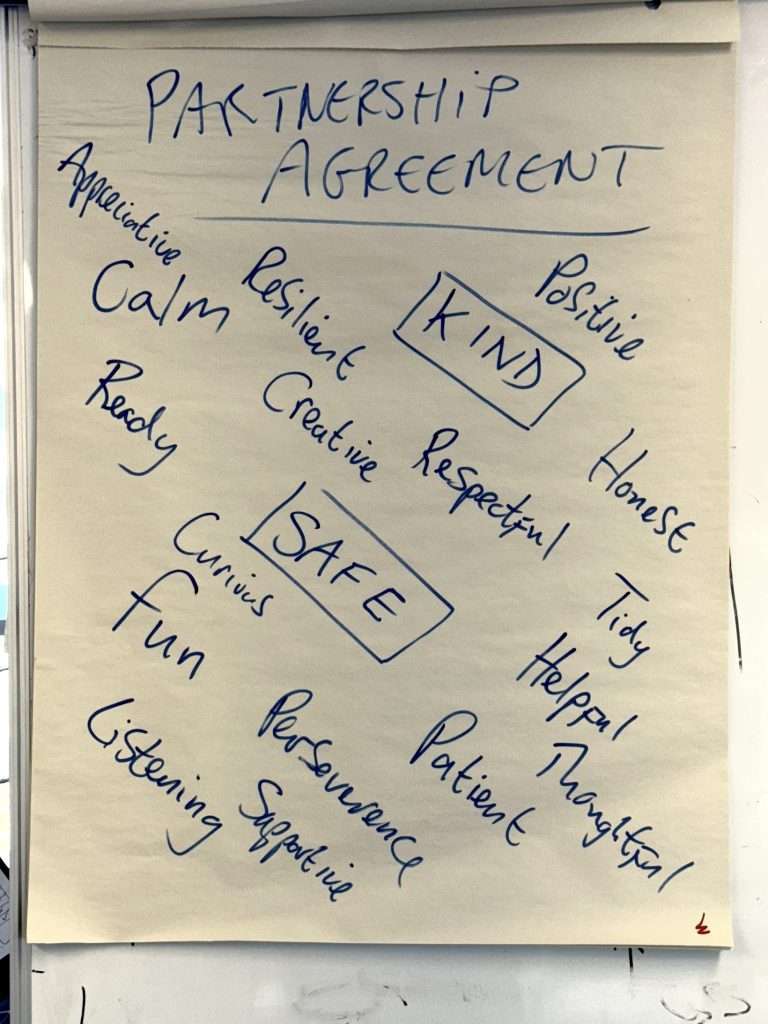
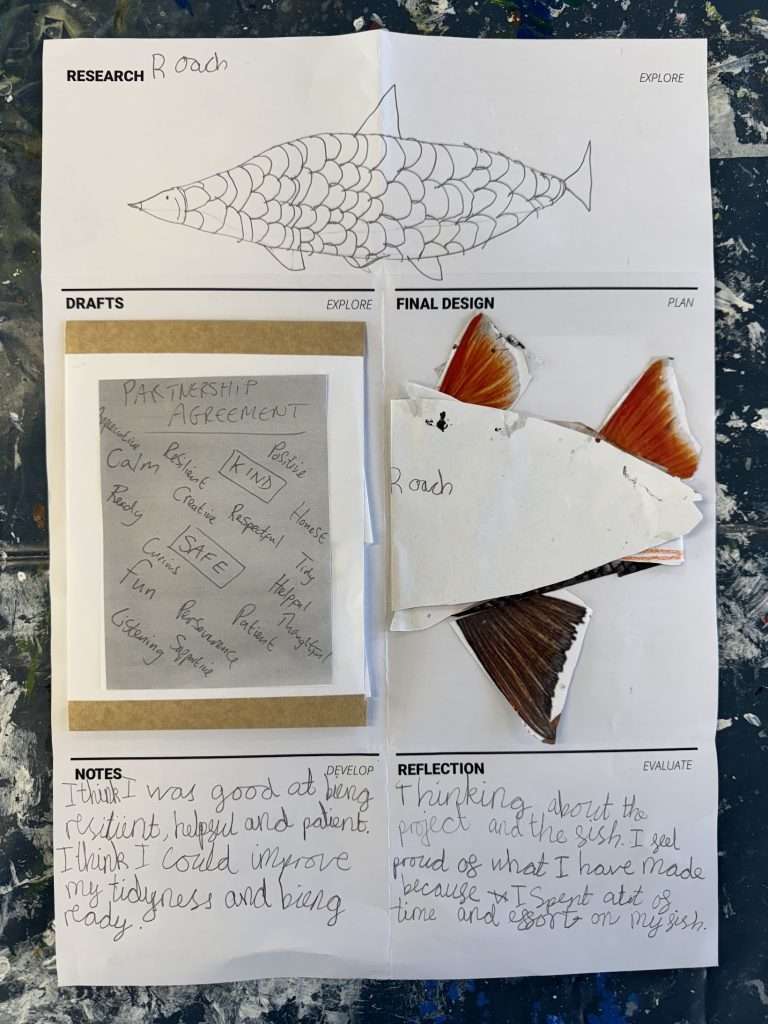
We call this being prosocial—an important aspect of metacognition, where pupils learn to zoom in and out of their own experiences to evaluate the impact of their actions and decisions.
“I feel surprised about my fish as I never knew I could do that!”
We’re really impressed with the outcomes—and so are the children! Take a moment to read some of their final reflections on how the project impacted them:
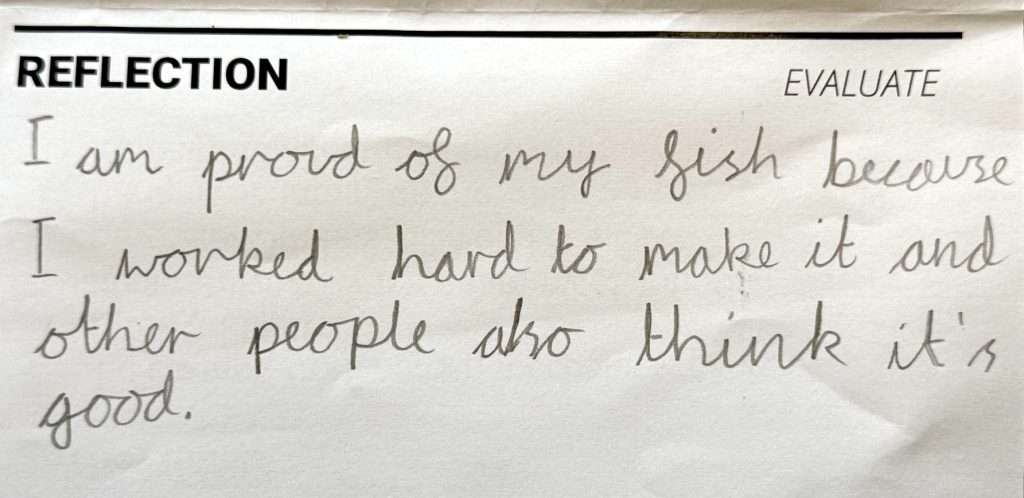
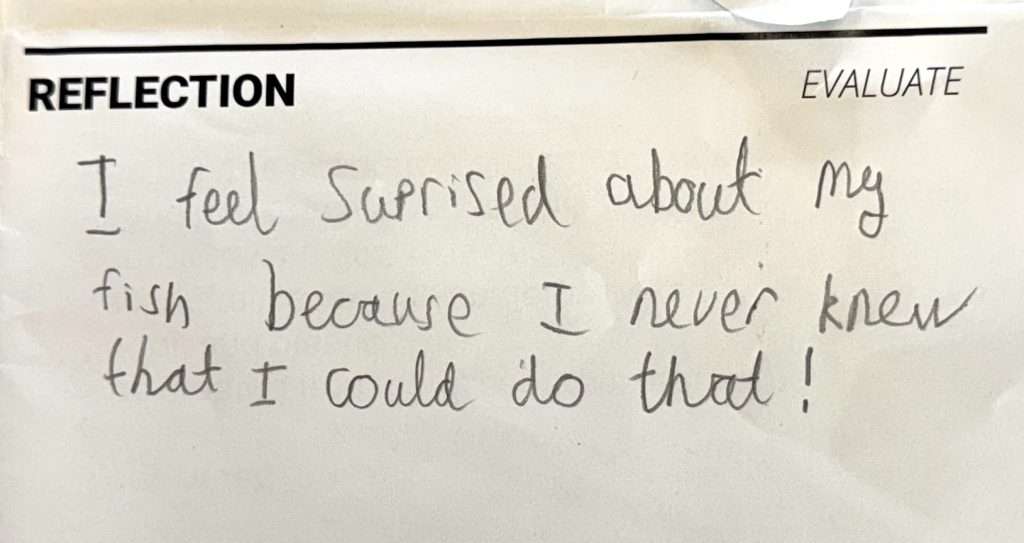
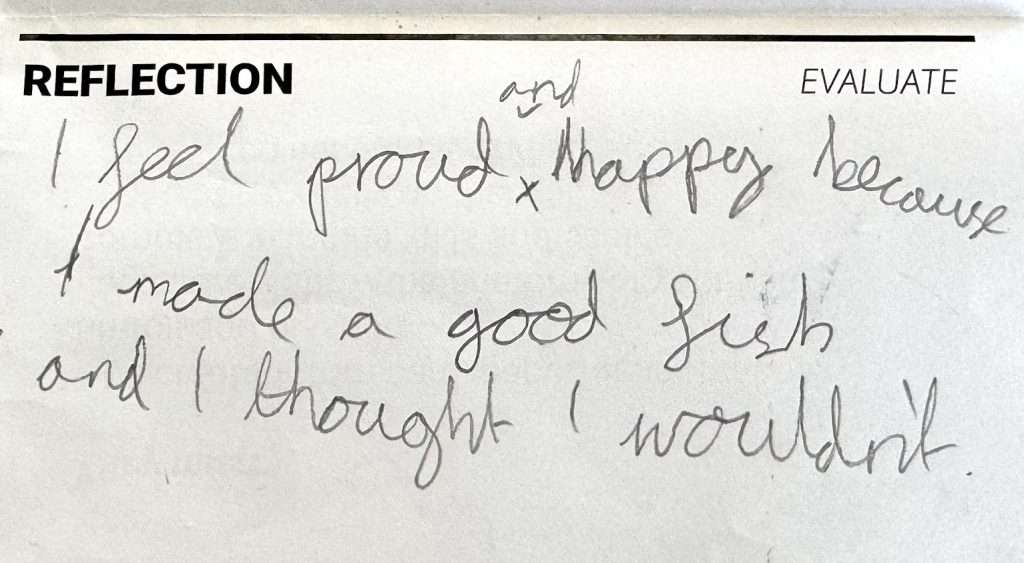
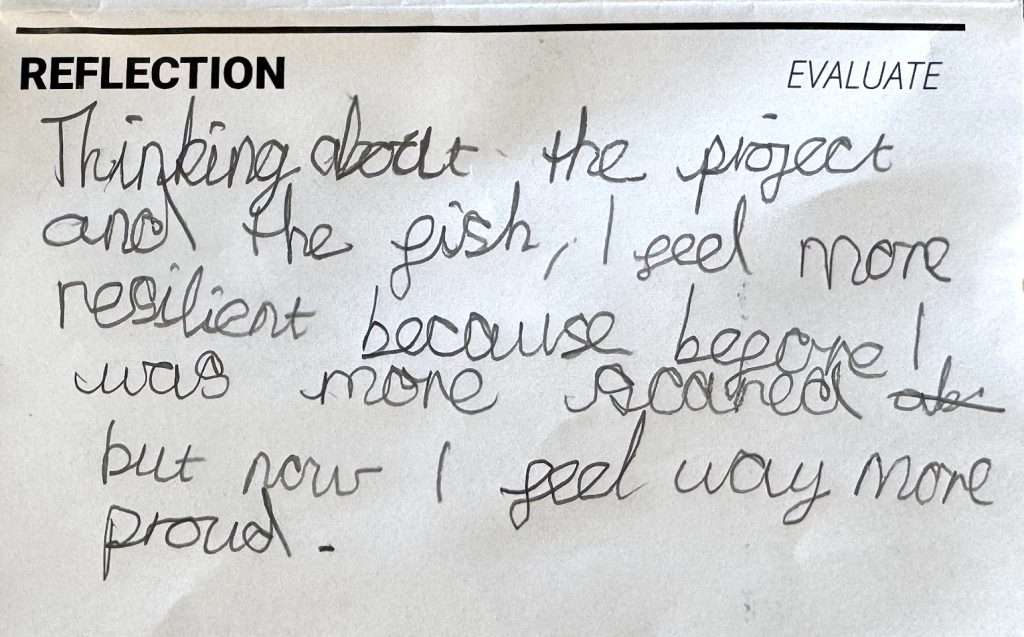
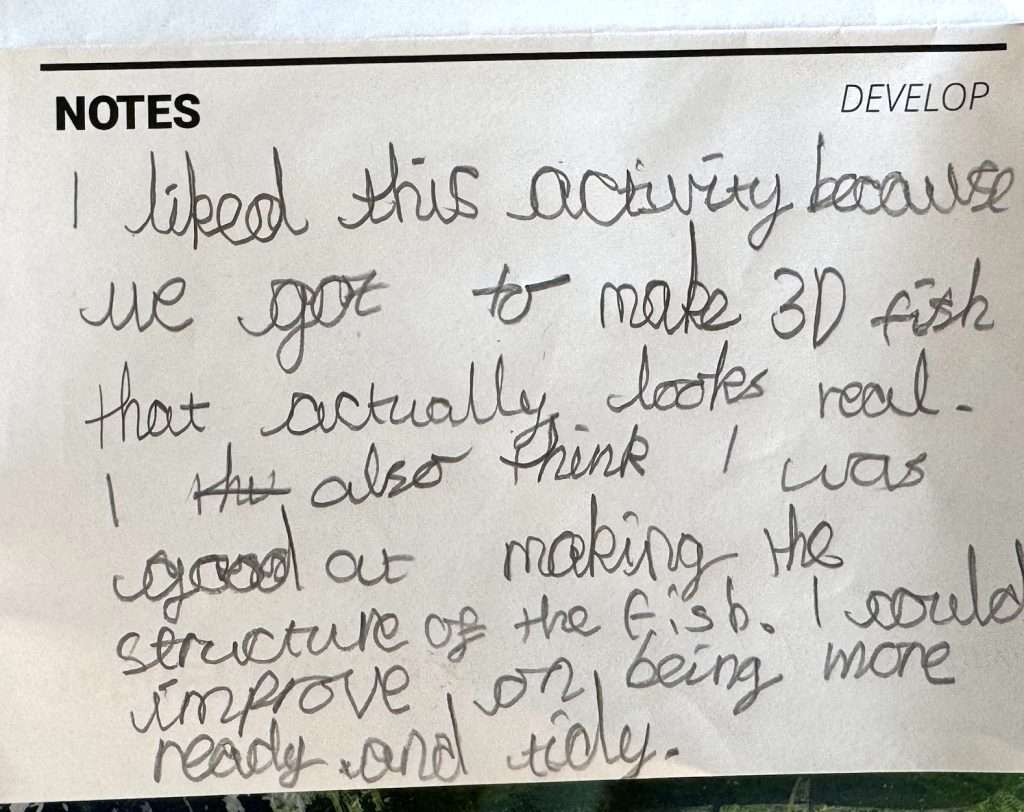
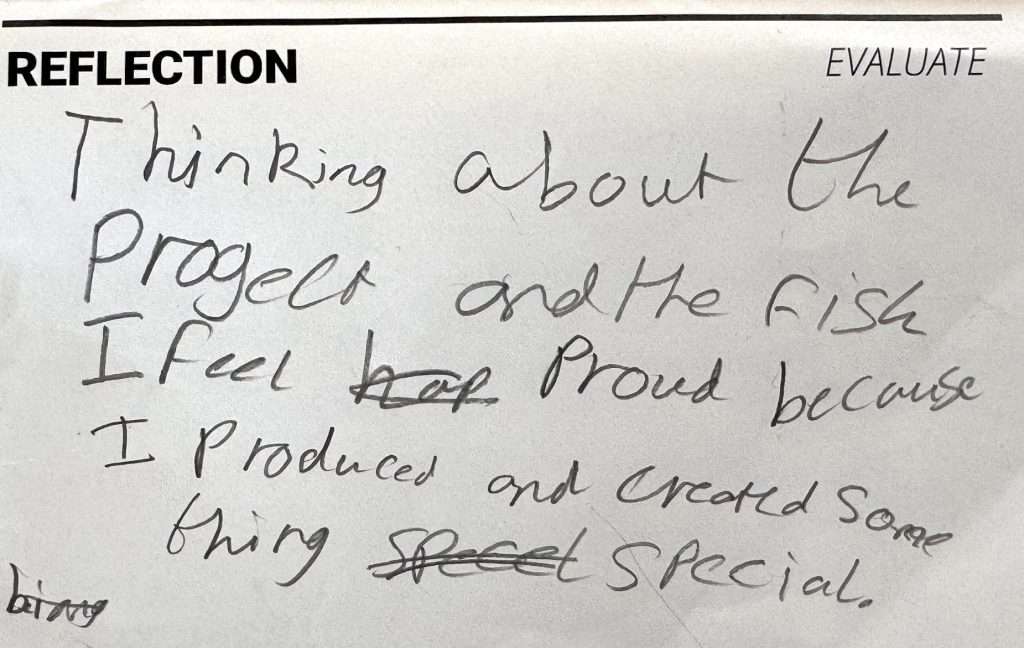
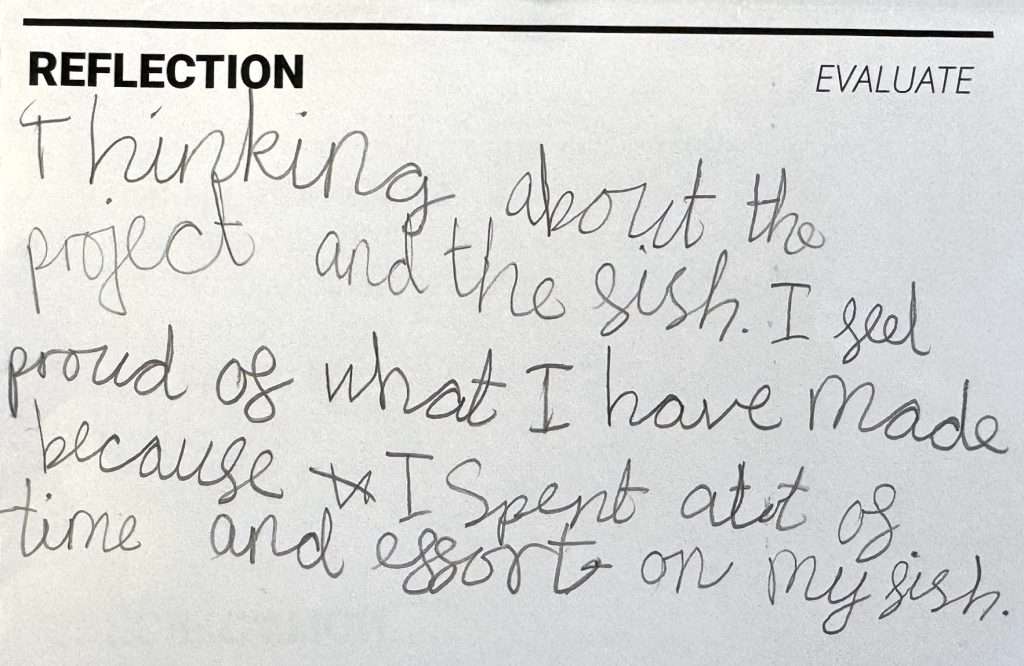
“I worked hard to make it and other people also thought it was good.”
Although the process is essential to a successful project, we also want pupils to experience a sense of craftsmanship and feel proud of the final outcome. For this reason, we always try to plan an exhibition or celebration event at the end, or provide ideas for how schools can develop the work further.
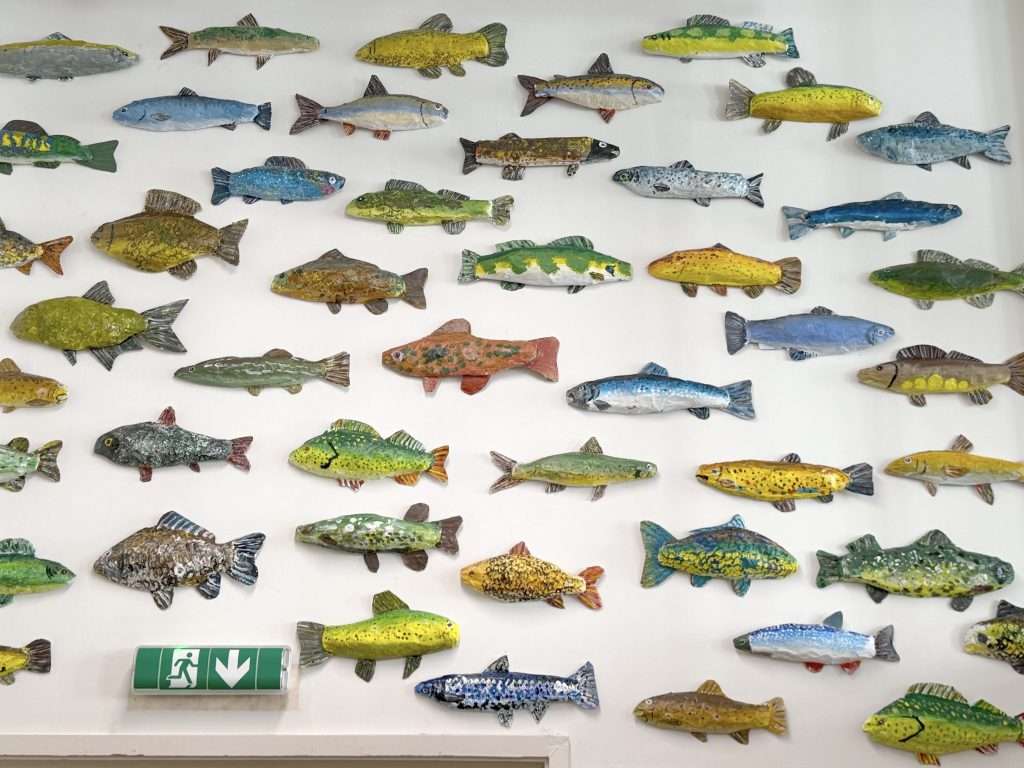
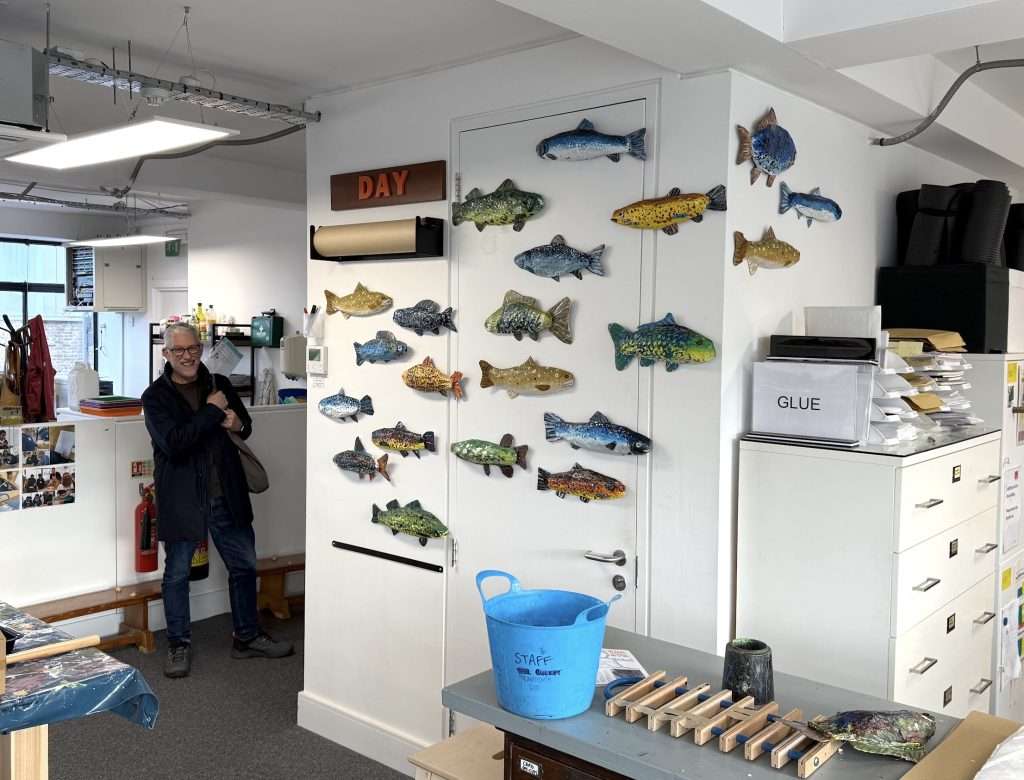
One of the key aspects of real-world learning is that children begin to see their knowledge across subject areas as connected. This campaign project helps to tie together art, science, and the humanities, promoting a sense of community activism.
We aim to offer schools the opportunity to take part in a Project+—a more collaborative model in which schools teach more disciplinary knowledge before or alongside our hands-on projects, helping to promote a more interdisciplinary understanding.
You must be logged in to post a comment.